


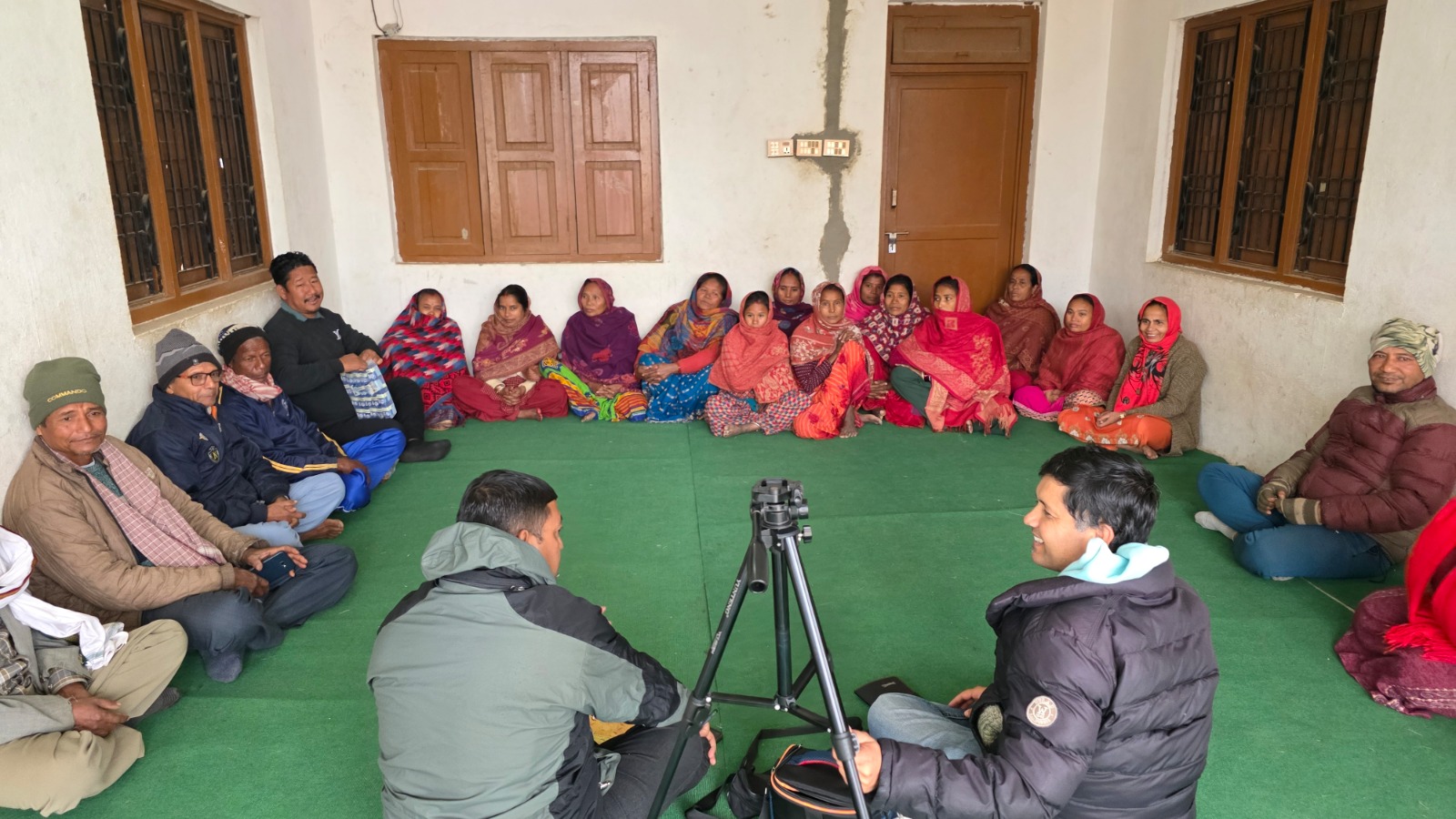

Rautahat, Nepal — A participatory monitoring, evaluation, and learning field visit was carried out in Rautahat District on 23–24 December 2025 to assess the impacts, lessons, and community experiences from FECOFUN’s 2024–2025 project, “Building Resilience: A Community-Based Approach to Combating Illegal Logging in Nepal.” The activity was supported by the Rapid Response Funds to Enhance Monitoring, Evaluation, and Learning under the Resilience Fund.
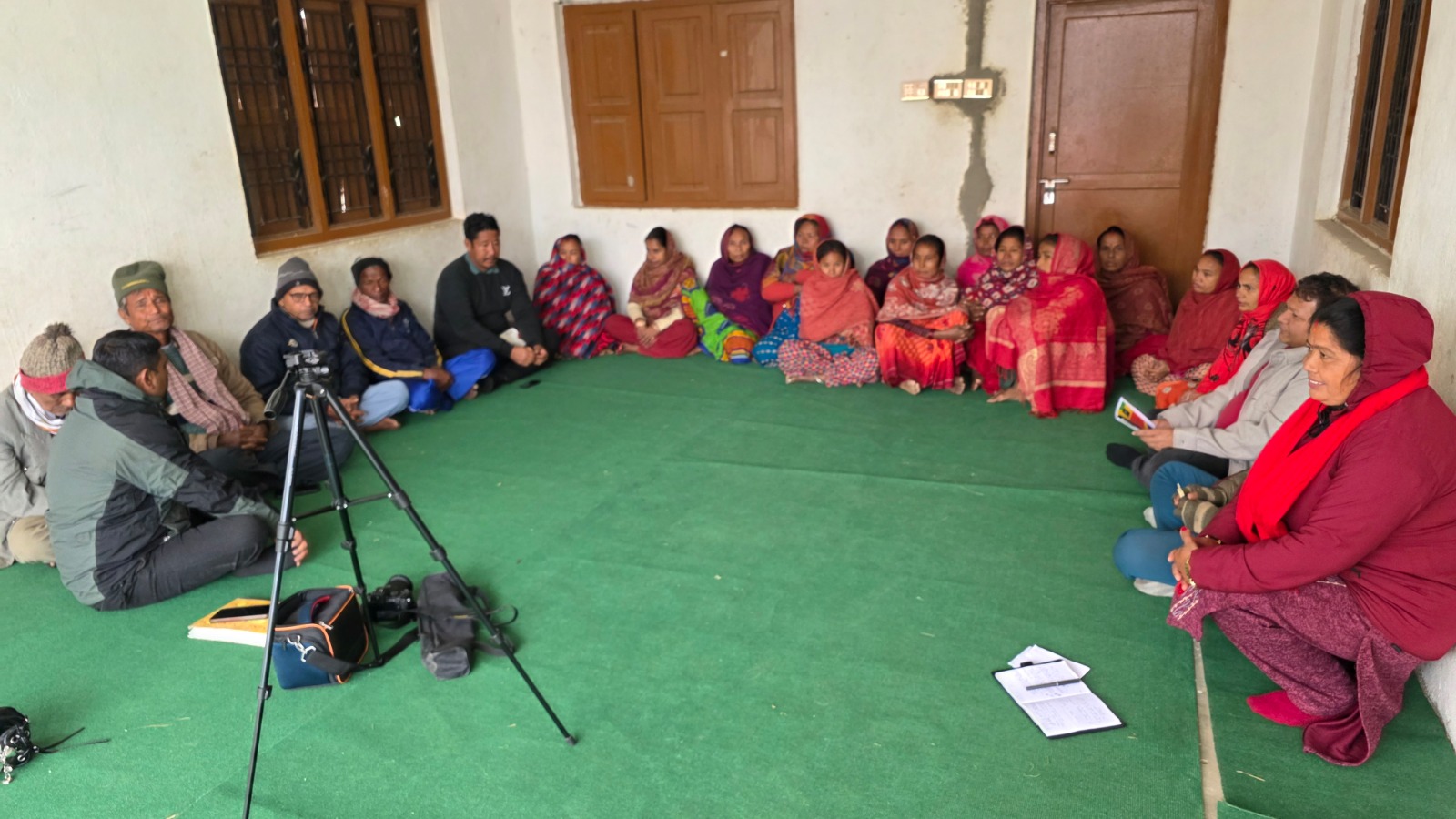
The field visit and reflection meetings focused on documenting outcomes from community-led initiatives to combat illegal logging, with active participation from Community Forest User Groups (CFUGs), anti-crime groups, and key forest-sector stakeholders. The evaluation process formally began with objective sharing by Dr. Arjun Chapagain from FECOFUN’s Central Office and was conducted in coordination with District FECOFUN Rautahat and evaluator Dr. Ravi Mohan Tiwari from the Innovative Research and Studies Center.
During the meeting, Mr. Bedhari Dahal, Chairperson of District FECOFUN Rautahat, presented an overview of project activities implemented across 10 Community Forest User Groups and 3 Collaborative Forests. Key interventions included ten community workshops on legal provisions related to illegal logging, stakeholder coordination meetings, formation of three anti-crime groups, distribution of torches to support night-time forest monitoring, and installation of hoarding boards to raise public awareness. Overall, the project reached 737 participants, including 261 women, strengthening inclusive community engagement in forest protection.
Mr. Hemanta Prasad Shah, Divisional Forest Officer of Rautahat, appreciated FECOFUN’s initiative in raising awareness on forest and nature crimes and reaffirmed the Division Forest Office’s commitment to continued collaboration with local communities. Similarly, Ms. Prem Kumari Timalsina, General Secretary of FECOFUN, highlighted that anti-crime groups are maintaining regular coordination through social media platforms and noted that torchlight distribution has significantly enhanced community monitoring efforts in forest areas.
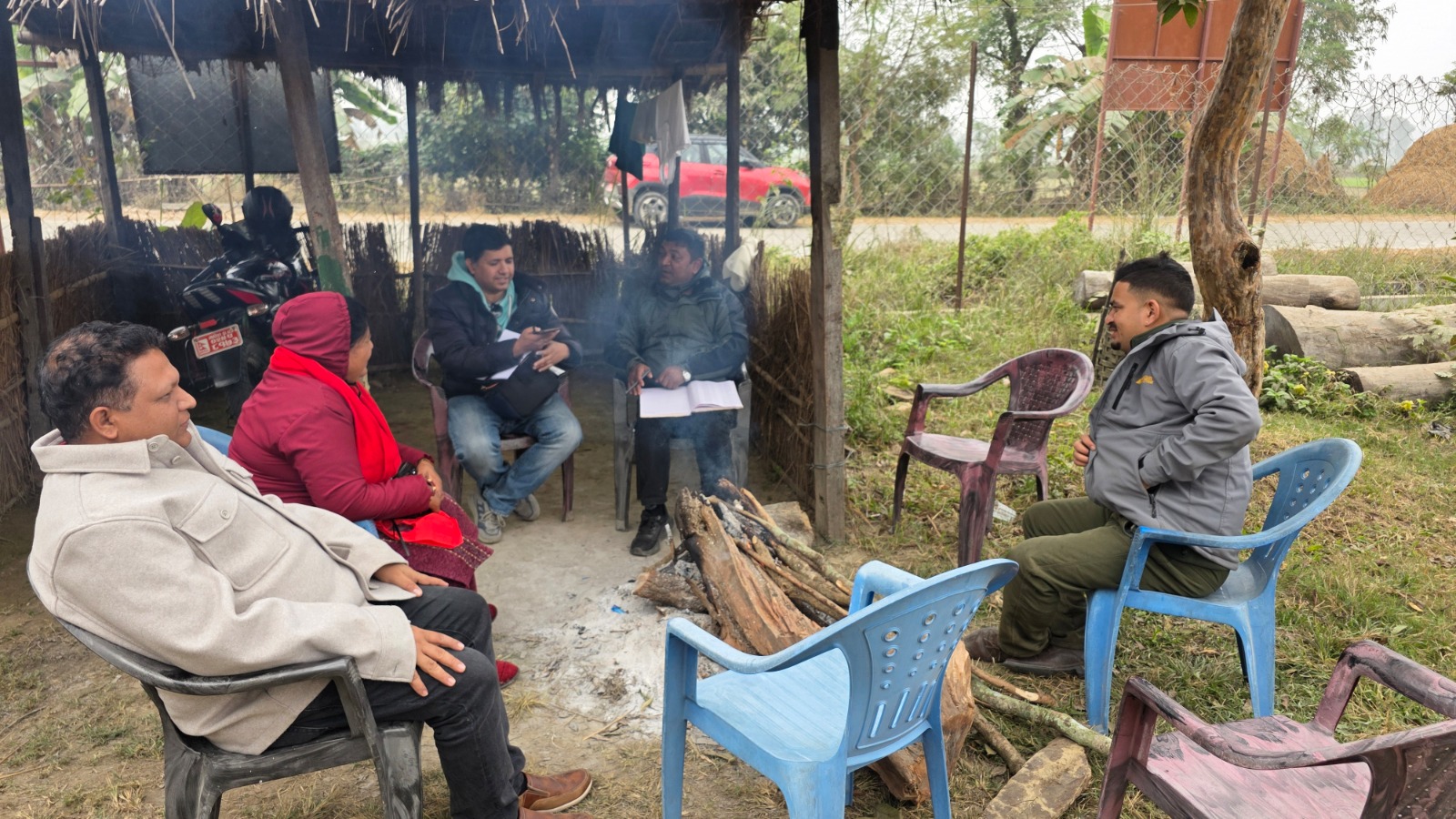
As part of the evaluation, the team visited Jaya Hanuman, Shiva Shakti, and Siddheshwor Community Forests. CFUG members shared that project-supported trainings improved community understanding of legal forest product harvesting and penalties for illegal activities. Anti-crime groups formed across five CFUGs have fostered a strong sense of shared responsibility among neighboring forests, leading to collective action against forest crimes. Community members reported increased confidence in confronting illegal loggers and poachers, contributing to a noticeable decline in illegal logging and improved forest conservation.
Mr. Kumar Lama, Secretary of an Anti-Crime Group, emphasized that these groups operate on a voluntary basis and underscored the importance of continued coordination and institutional support to sustain their efforts over the long term.
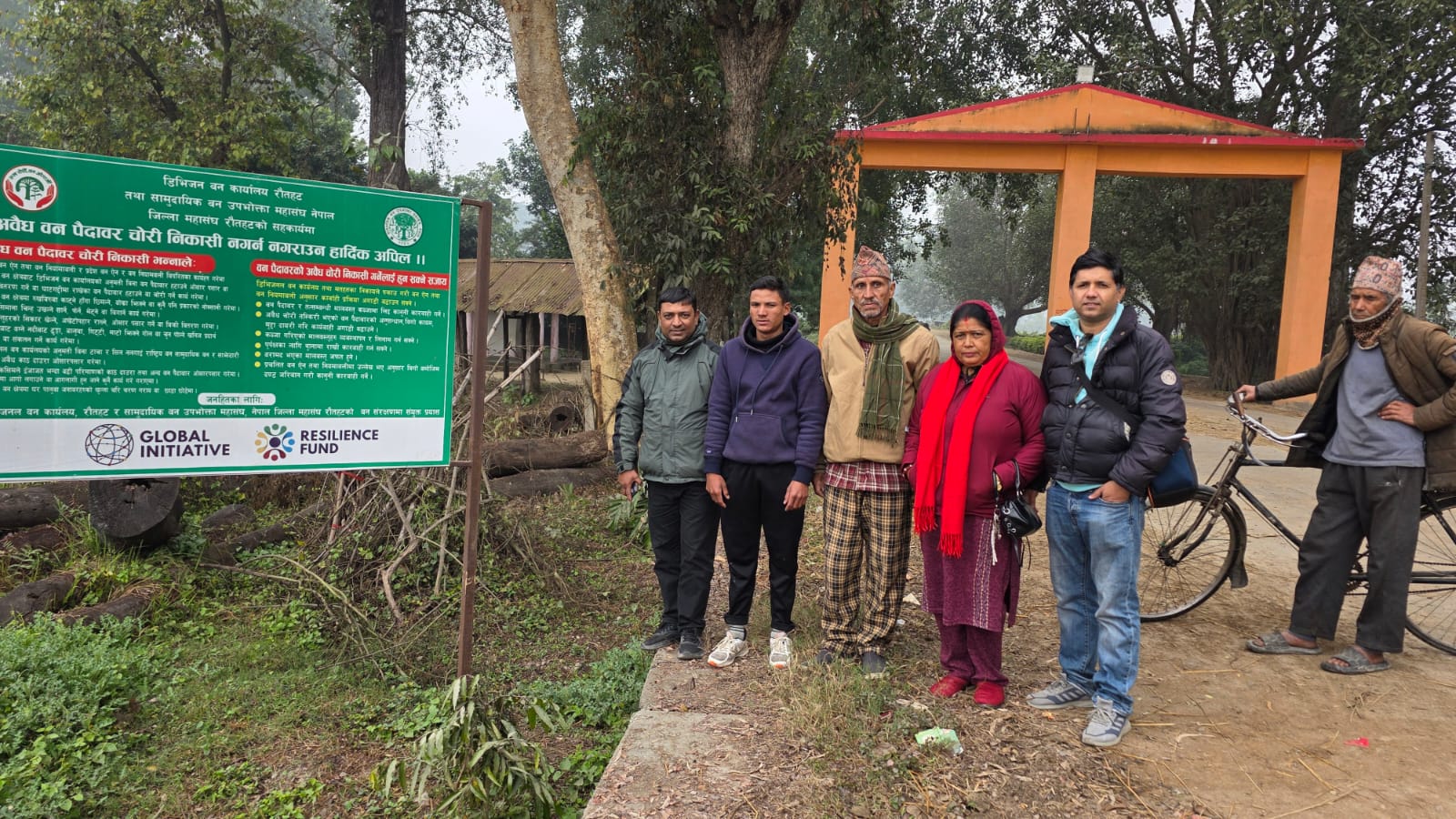
Highlighting enforcement challenges, Mr. Binod Jethara Chhetri, Forest Officer at the Jangal Sahiya Sub-Division Forest Office, noted that illegal timber and firewood harvesting often involves diverse modes of transport, including bicycles, motorcycles, and four-wheeled vehicles. He stressed that strong collaboration among Division and Sub-Division Forest Offices, CFUGs, local stakeholders, and FECOFUN has played a significant role in reducing illegal logging in Rautahat District. Overall, the evaluation highlighted that strong community ownership, combined with coordinated support from forest authorities and civil society, is proving to be a powerful and sustainable approach to reducing illegal logging and strengthening forest conservation in Rautahat District.


